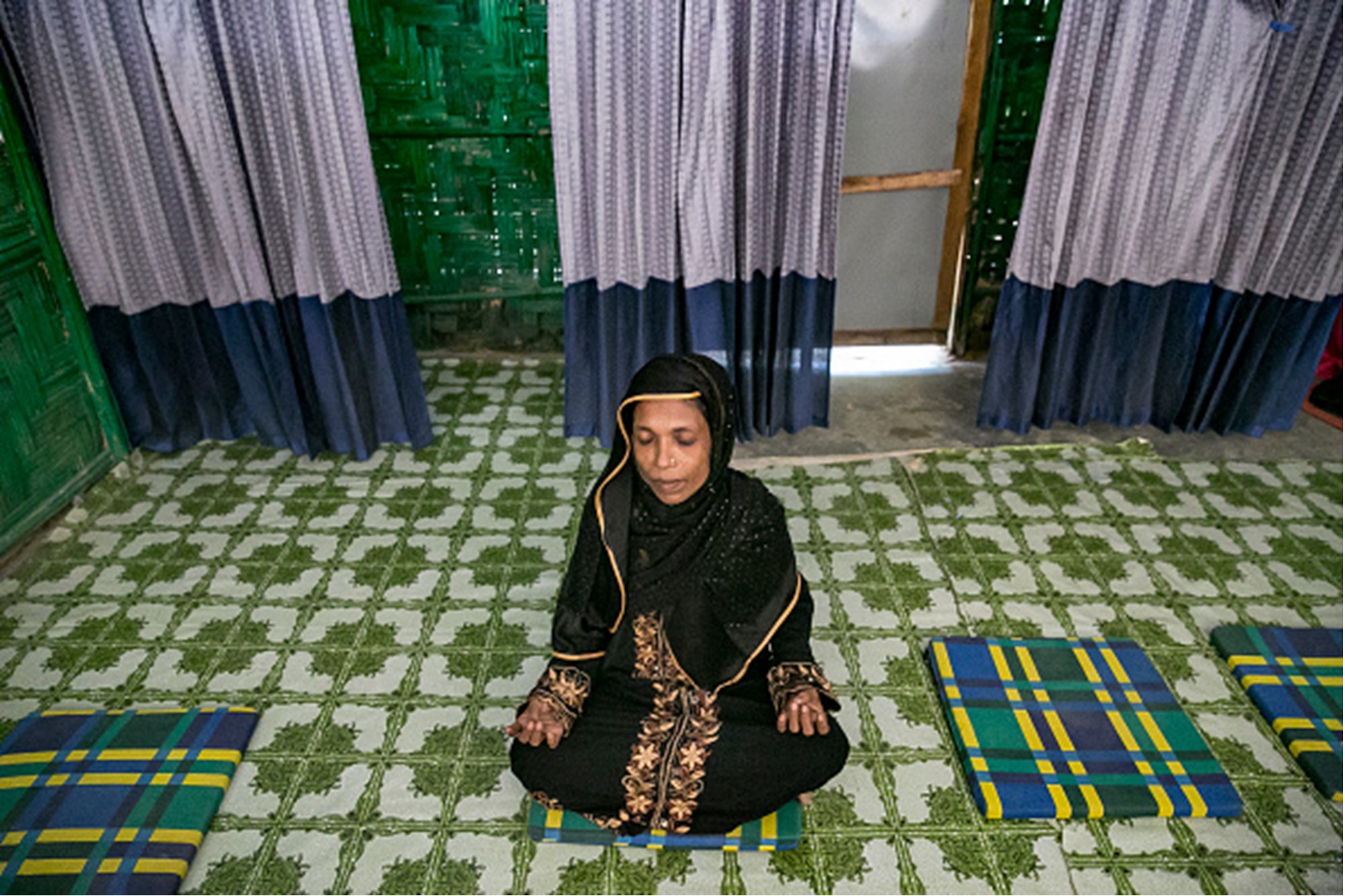
Human rights, particularly freedom of religion and belief, apply equally to individuals from religious minorities as well as those from the majority within a country. Like other human rights, the right of minorities to practice or express their religious identity may be subject to certain limitations. In some instances, this right must be carefully balanced with the equal rights and freedoms of others.
Fernand de Varennes – Minority Rights are Human Rights
ICCPR art 27
In those States in which ethnic, religious or linguistic minorities exist, persons belonging to such minorities shall not be denied the right, in community with the other members of their group, to enjoy their own culture, to profess and practise their own religion, or to use their own language.
Fernand de Varennes – Promoting Minority Inclusion: Good Practice
Human Rights based Approach
Human rights are always being interpreted in a national context. Still there are expert institutions in the UN and in different regions that aim to ensure a “universality” in the interpretations of these rights. The UN has also stated that human rights are “indivisible”. This means that they are supposed to support one another and be respected and implemented on an equal level. In practice there may be situations where different human rights may come into conflict. For instance there may be situations where the protection against gender discrimination comes into conflict with the right to freedom of religion or belief. This call for interpretations of the different human rights at the national level.
Ingvill Thorson Plesner – Human Rights: Combatting Stereotypes
Simona Cruciani – Role of Civil Society and Education in Preventing Human Rights Violations
Related Resources
Find digital tools produced in cooperation with partners and researchers from different regions.
Coverphoto: by Andrew Renneisen/Getty Images