Course: Citizenship and National Identity
Citizenship and National Identity
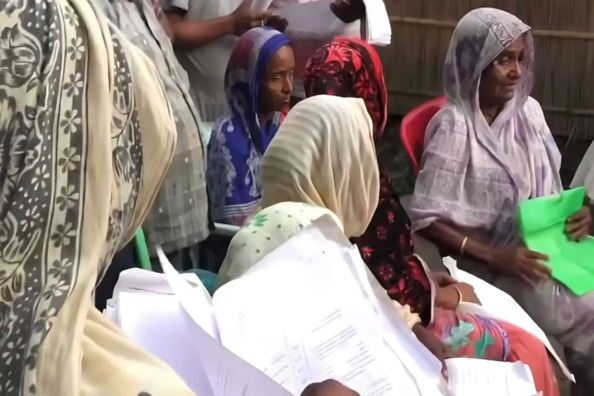
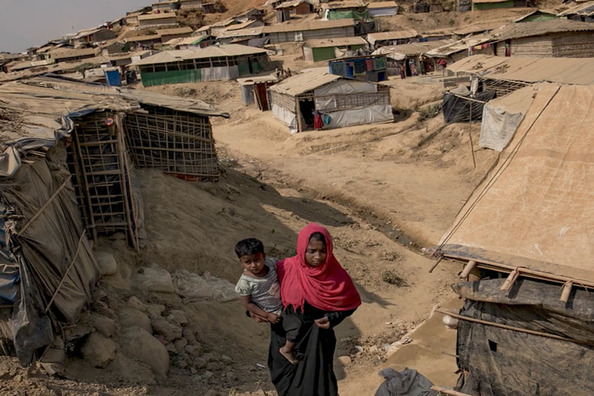
This course explores the relationship between citizenship and national identity, and potential consequences such as statelessness, with a particular focus on religious minorities, particularly Bengali speaking Muslims in Assam, India and the Rohingya refugee crisis.

PILOT VERSION – PLEASE DO NOT SHARE
This course examines the intersection of citizenship, religion, and national identity, with a focus on majority–minority dynamics and their potential as early warning signs of exclusion and conflict. These are complicated issues, shaped by competing narratives, political pressures, and human rights concerns. This course takes a critical narrative approach, encouraging participants to engage with diverse perspectives, including affected communities, governments, and international organizations. It aims to develop a well-rounded understanding of citizenship and statelessness in today’s world.
Course Aims
This course will provide resources that enable you to
- Understand the foundational principles and essential aspects of citizenship
- Examine the interconnections between identity, religion, and the construction of citizenship and national identity.
- Analyze how citizenship is defined, practiced, and shaped by policies of acquisition and deprivation in diverse contexts.
- Explore how international human rights frameworks address citizenship deprivation, focusing on the right to nationality and the protection of minority rights.
- Examine the relevance of birth registration in relation to citizenship and the enjoyment of fundamental human rights.
- Assess the disproportionate consequences of citizenship deprivation through religious and gendered perspectives and critically engage with diverse stakeholder viewpoints.
Course Modules
This course is divided into four main modules, addressing the following main questions:
- What role does national identity play in shaping citizenship, and how does religion factor into this dynamic?
- How do states make and unmake citizens, and what are the implications for minority rights and the right to nationality?
- What are the consequences of deprivation of citizenship, and how does statelessness limit rights and protection?
- What is the relevance of birth registration for accessing citizenship, and how does it contribute to the protection of other human rights?
Approach / Methodology
This course will adopt various approaches, including legal, human rights-based, comparative, intersectional, and narrative methods, to provide a comprehensive understanding of citizenship and national identity. It will also incorporate audio-visual tools such as expert videos to enhance the learning experience. Every module will also include short articles, additional resources, questions for reflection and a quiz before moving to the next module.